June 2, 2026
Video hooks: How to write a scroll-stopping opening
This video style captures the trending study aesthetic. "Paper" makes videos feel like a beautiful notebook come to life. It's thoughtful, distinct and unmistakably scholarly.

This edit layers paper-texture overlays over your footage with a warm, slightly-aged color treatment. It transforms videos into something that feels deliberate and crafted, like switching from a notes app to a leather-bound journal.
Paper uses typewriter-style fonts that sit in perfect tension with the retro-academic aesthetic. It feels clean, warm and personal. Study content creators often use these fonts to signal quality and thoughtfulness.
Gentle page-flip transitions and analog paper-whoosh sound effects carry the viewer through your video. You feel that unhurried quality of a good read: content you want to linger on. It makes videos feel crafted for people who want to learn.
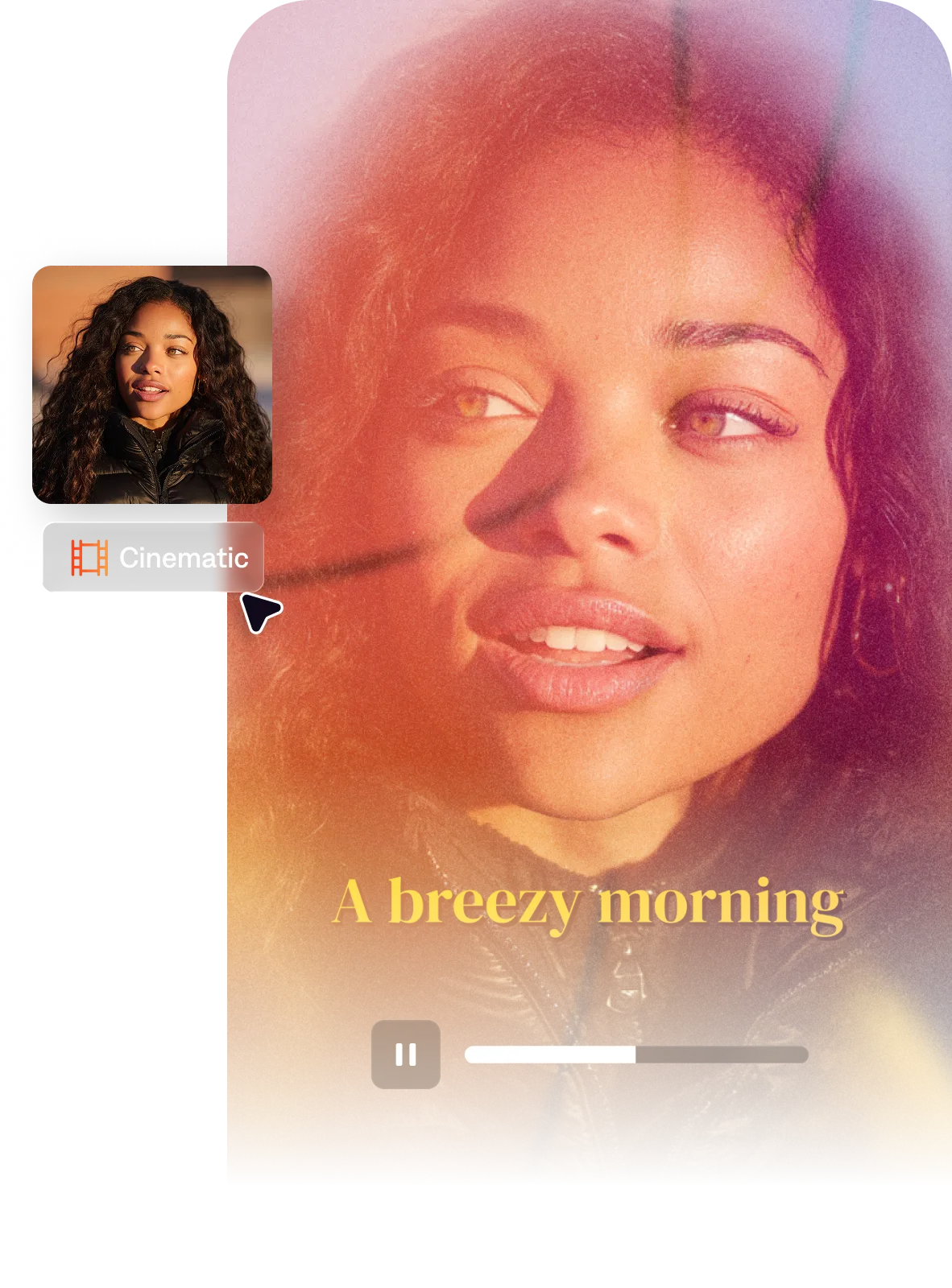
Captions' AI Edit feature was built to make editing easy for anyone. To get this aesthetic, choose the "Paper" style in the AI Edit library. You can apply it to existing footage or generate something new.
By uploading a video to be edited using AI, you are agreeing to our Terms and have read our Privacy Policy.
Study and productivity content has gotten more popular lately, and it's inspiring a growing editing style. Dark academia aesthetics bring real-life study cues to digital content with analog references and gentle pacing. The Paper style packages the right details into one edit, so any educational, productivity or study creator can try the style for themselves.
Dark academia is an aesthetic rooted in classical education, literature, and the atmosphere of old universities — candlelit libraries, leather-bound books, wood-paneled study rooms, and the general visual register of European academic tradition. In video, it's expressed through warm but low-key lighting, paper and parchment texture overlays, typewriter-style typography, slightly desaturated warm color grading, and a reflective, unhurried pacing. It's popular with study creators, book reviewers, writing communities, and anyone whose content positions learning and intellectual life as aspirational.
Paper texture is added as an overlay layer — source a paper texture video or high-resolution image, place it above your footage in the editing timeline, and set the blending mode to 'Multiply' at low opacity (typically 15–30%). This adds the grain and texture of paper without completely obscuring the footage. Typewriter-style fonts are applied as text elements; the 'write-on' animation (masking the text layer so it appears letter by letter) creates the typewriter reveal effect. Sound design — a typewriter click synchronized with each letter reveal — completes the effect.
Study and book content has several aesthetic options that communicate differently. Dark academia (paper textures, typewriter fonts) signals intellectual tradition and literary culture — ideal for classic literature, philosophy, and humanities content. Hand-drawn styles (doodle overlays, marker fonts) communicate warm approachability — good for tutoring, coaching, and casual study advice. Clean minimal styles signal modern productivity and systems thinking. The dark academia aesthetic specifically works for content that wants to feel like it belongs in a library, not in a classroom or a startup.
Paper is a dark academic aesthetic that uses analog cues to recreate the feel of studying. It makes content feel educational and approachable, with flip transitions and paper textures.